Greener cities in a warming world: can we protect health without creating new risks?
- Posted on: 17 September 2026
Urban green spaces are often presented as an obvious public-health win—and with good reason.
Parks, trees, wetlands and green corridors can provide shade during heatwaves, reduce flooding, support biodiversity and create places for people to exercise, meet and recover from the stresses of daily life. As towns and cities adapt to climate change, these spaces will become increasingly important.
But could some of the same conditions that make urban environments greener and more resilient also increase the risk of diseases carried by ticks and mosquitoes?
A new paper led by researchers from University of Exeter and the UK Health Security Agency argues that this question needs urgent attention.
A changing pattern of disease
Climate change is altering the conditions in which disease-carrying insects and ticks can thrive and non-native vectors survive. Warmer temperatures can extend transmission seasons, expand the geographical range of vectors and affect how quickly pathogens develop and replicate.
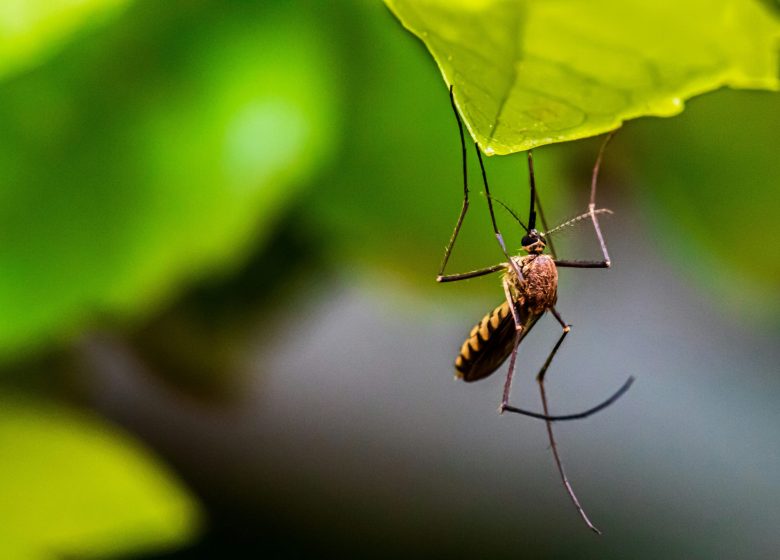
In Europe, emerging concerns include urban Lyme disease, which is transmitted through infected ticks, and mosquito-borne infections such as dengue, chikungunya, Zika and West Nile virus.
Urban green spaces could influence these risks in several ways. Wetlands, standing water and water containers may provide habitats for mosquitoes, while vegetation, wildlife and some approaches to land management can create suitable conditions for ticks and the animals that carry them.
This does not mean that creating green spaces is bad for health. Their benefits are substantial and well established. Rather, it means that planners need to consider a more complex picture in which climate, ecology, human behaviour and disease interact.
How people use green spaces matters too
Climate change will not only affect plants, insects and wildlife. It will also change when and how people use outdoor spaces.
During very hot weather, some people may avoid parks altogether. Others may visit early in the morning or later in the evening, when temperatures are cooler—but when some vectors may be more active. People may also gather beneath trees or close to water to escape the heat, potentially changing their exposure.
The key question is therefore not simply whether a green space contains ticks or mosquitoes. It is whether its design and management bring people and disease-carrying vectors into contact—and how that risk compares with the many health benefits the space provides.
At present, we do not have enough evidence to make those judgements confidently.
Looking at the whole system
Decisions about urban green space often aim to achieve several goals at once: improving health, adapting to climate change, restoring nature and creating more attractive places to live.
However, these goals are frequently considered separately. The authors call for more integrated research combining climate, ecological, epidemiological, behavioural and socioeconomic evidence. This could help decision-makers anticipate both the benefits and unintended consequences of different interventions.
Health Impact Assessments and Environmental Impact Assessments could also play a greater role in ensuring that vector-borne disease risk is considered when new green spaces are created or existing ones redesigned.
Better monitoring will be essential. A more robust surveillance system could identify changes in tick or mosquito populations early, allowing local authorities and public-health teams to respond before a problem becomes widespread.
Communities should also be involved in decisions about how green spaces are designed and managed. Local knowledge can help planners understand who uses a space, when they use it and what might prevent different groups from benefiting from it.
From reactive to proactive
There is still considerable uncertainty about how climate change, biodiversity, urban green space and vector-borne disease will interact. But investment and planning decisions are being made now, and the places created today will shape public health for decades.
By bringing together public health, ecology, climate science, planning and community experience, we can design green spaces that remain cool, welcoming, biodiverse and resilient—while reducing opportunities for disease transmission.
Greener cities are an essential part of adapting to climate change. Ensuring they are also healthy cities will require us to anticipate emerging risks rather than waiting for them to arrive.
The team would like to thank the Environment and Sustainability Institute for funding a workshop on this topic as part of their Think Tank programme.
Further acknowledgements: Mark Ferguson and Barbara Tschirren