Climate change isn't only changing ecosystems. It's changing us
- Posted on: 23 July 2026
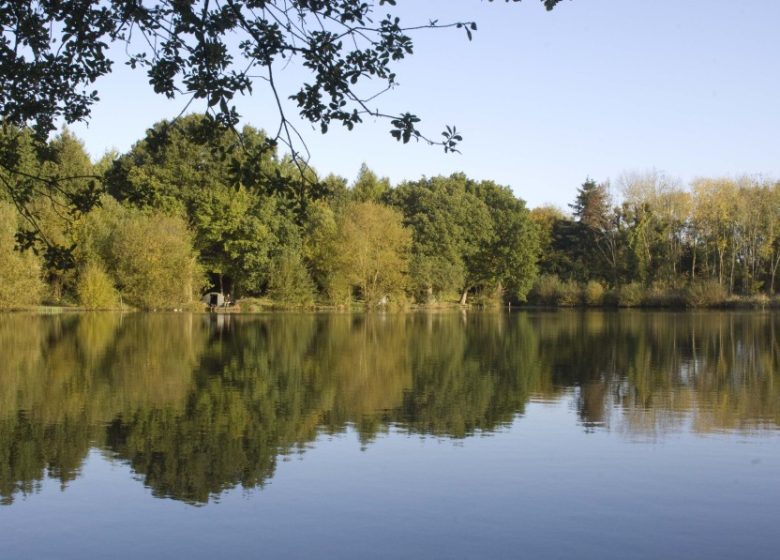
We are currently experiencing our third heatwave of the year so far and the summer is not over yet. There has been a lot of news and social media some of which is providing tips on how to stay cool in the heat. Much of this focuses on how to keep cool in buildings while you’re at work or in the house, particularly how to sleep in the heat. The focus outdoors is often on the importance of keeping hydrated and wearing sunscreen for protection.
There has been a bit less attention on where we choose to go to seek comfort in our leisure time or when we exercise and what we expect from the places and landscapes we visit. Previous evidence generated by researchers in the Net Positive Centre highlight that getting outdoors into natural environments is good for people’s health and wellbeing. But what happens during heatwaves, what are people doing and where do they go?
In the Net Positive Centre we are starting a new research project that is going to explore how outdoor nature-based recreation patterns are or might shift as weather patterns alter due to the more extreme weather events that we are facing these days as a consequence of changes in the climate.
What does this mean in a heatwave? People may visit woods and forests more to benefit from shade and cooling; they might decide to walk along streets with trees or sit under trees in the park rather than in the wider open grassy areas. They may make trips to the coast, lakes, and rivers to take a dip and cool down. Unfortunately, some of this is not without risks, there has been a number of water-related deaths in our recent heatwaves. Not everyone is aware of the risks of strong currents or cold-water shock. Recent fires in the New Forest and the Peak District also lead to people keeping away but are they aware of how a cigarette butt or barbeque that has not been extinguished properly can, due to the heat and dry vegetation, lead to fires that are very difficult to put out.
So, increases in heat might change the recreation people undertake and where and when they carry it out. Will they visit blue spaces and woods in the heat rather than mountains, farmland, and heathland? Might they do less vigorous activities in the heat – a slow stroll rather than a run. Will people visit these spaces at different times of the day – early in the morning or later in the evening? Will people consider the risks that heat pose and ensure they are prepared with water and know where to cool down? Might they contribute to cooling, biodiversity, and their own well-being by planting a tree in their garden or in their local community garden? What are the nature-based solutions that support mitigating or adapting to the changes in the climate while ensuring people can continue to gain health and wellbeing benefits from engaging with nature?
We will be exploring these issues in our research with the aim of ensuring individual, community and societal decision making is responding and adapting to the realities of our changing behaviour.