What might Heatwave Memes tell us about climate resilience
- Posted on: 25 June 2026

As temperatures rise, social media follows a familiar pattern. Memes about sleepless nights, melting ice creams, packed beaches and Britain’s inability to cope with warm weather quickly fill our feeds.
At first glance, this might seem like people failing to take extreme heat seriously. But perhaps there’s something more interesting going on.


Humour has always been a way of coping with discomfort, uncertainty and shared experience. Jokes about overheating on public transport or trying to sleep in a 30°C bedroom create a sense of collective experience. They can help perhaps reduce anxiety, make difficult situations feel more manageable and provide a way into conversations that might otherwise feel overwhelming.

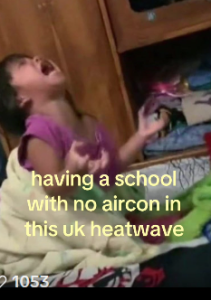
In the UK, where talking about the weather is almost a national pastime, humour may also reflect our relationship with a climate that increasingly feels unfamiliar. As heatwaves become more frequent and intense, are jokes and memes one of the ways people are making sense of that change.
Social media itself plays a role. A relatable joke about a broken fan or a sweltering commute is far more likely to be shared than a discussion about adaptation planning or infrastructure resilience.
What’s striking is how humour and seriousness often coexist.
While social media fills with jokes about ice lollies and sleepless nights, news coverage focuses on record-breaking temperatures, school closures and transport disruption. At the same time, health services, housing, infrastructure and communities are being tested by the same event.
This raises an interesting question: what does the prominence of heatwave humour tell us about how society understands climate risk?
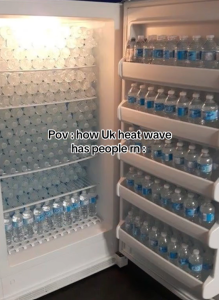
Does humour help people engage with an increasingly common climate hazard? Does it make difficult issues more accessible? Or does it sometimes draw attention away from the deeper questions about vulnerability, resilience and preparedness?
The answer is complex.
What seems clear, however, is that the jokes and memes are only one part of the story. Extreme heat continues to reveal important truths about who is most exposed to climate risks, which systems are under pressure, and how prepared we are for a warmer future.
Perhaps the most valuable question isn’t why people joke about heatwaves.
It’s what those jokes tell us about how we are collectively experiencing and responding to a changing climate.