Wildfires are not just a test of emergency response—they're a test of the systems we've built.
- Posted on: 11 August 2026
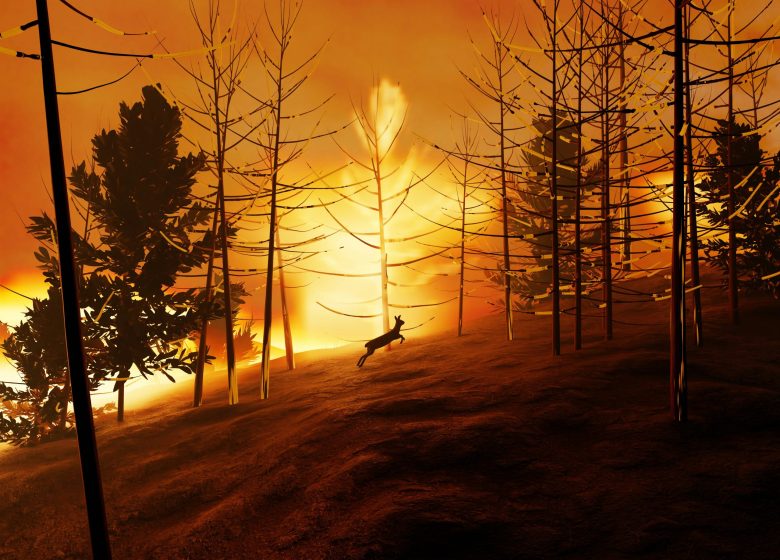
Watching the events unfolding in the New Forest this week and the growing risk of further fires as drought sets in, is a stark reminder that climate change isn’t only a future environmental challenge—it’s increasingly a health challenge too.
Wildfires affect respiratory health, mental wellbeing, healthcare services and community resilience, as well as the natural environment.
As these events become more likely under hotter, drier conditions, we need climate responses that protect both people and planet.
When a wildfire reaches the point where people are being evacuated, we naturally focus on the bravery of firefighters and emergency services and the short term logistical challenges. But these events also raise a bigger question: Have we designed our landscapes, communities and health systems to cope with a changing climate?
Climate-related events reveal the strengths—and weaknesses—of the systems we rely on every day. A wildfire is never just an environmental issue. It affects:
- people’s physical health through risk of mortality, smoke and injury
- mental health through anxiety, trauma and displacement
- healthcare services through increased demand and disruption
- transport and infrastructure
- local economies and livelihoods
- access to nature, which itself supports health and wellbeing
And these impacts are not shared equally. Older people, those with existing health conditions, people with disabilities, carers and lower-income communities often face the greatest risks and the fewest options.
The question is bigger than ‘How do we fight fires?’ It’s: How do we reduce the chances of these events becoming health emergencies in the first place?
That means thinking differently across sectors. It means landscapes that are managed to be more resilient to drought and fire. It means educating countryside users on fire risks. It means the fire service and police working alongside communities. It means planning and housing that reduce exposure to climate risks. It means healthcare systems that can continue supporting vulnerable people during extreme events. It means ensuring climate adaptation is considered alongside health, biodiversity, transport and planning—not in isolation.
This is where the ‘triple win’ matters.
The most effective climate solutions don’t simply reduce emissions or respond to emergencies. They can:
- improve people’s health
- restore and protect nature
- reduce inequalities by making communities more resilient
For example, restoring wetlands and healthy woodlands can support biodiversity while helping landscapes cope with hotter, drier conditions. Designing neighbourhoods with resilience in mind benefits everyone—but especially those who are most vulnerable.
Every wildfire reminds us that climate change is not just an environmental challenge to respond to after the event. It is a public health challenge that invites us to rethink how we manage land, design places and protect communities. If we focus only on responding to disasters, we’ll always be catching up. By designing healthier, more resilient systems, we can reduce future risks while improving lives today.