Why a Red Heat Warning Isn't Only About Heat
- Posted on: 24 June 2026
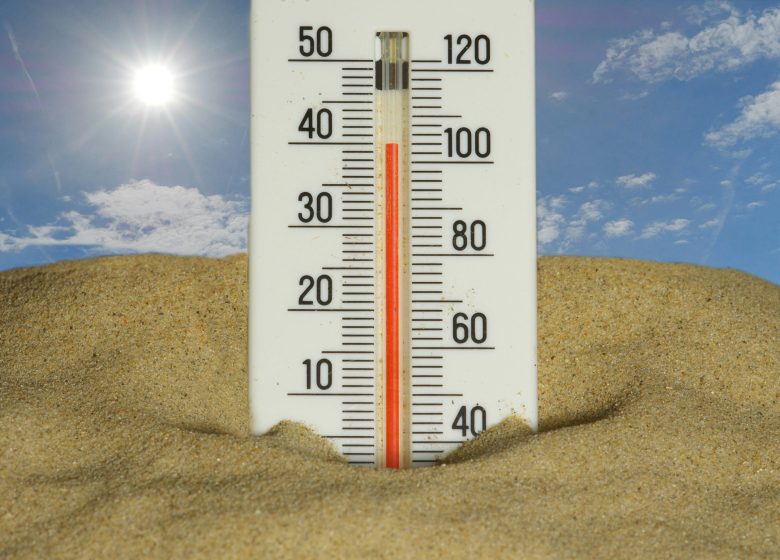
This week’s Red Heat Warning is dominating the headlines. By next week, it will be forgotten.
But the most important thing about extreme heat isn’t the temperature.
It’s what it reveals.
Heatwaves are stress tests for society. They expose the hidden vulnerabilities in our homes, health systems, transport networks, food systems, communication infrastructure and communities. They show us who is protected, who is exposed, and where resilience is strongest—or weakest.
At the Net Positive Centre, we’re interested in what happens behind the headlines.
Climate change is often discussed in terms of emissions, targets and future scenarios. Yet most people experience it very differently: through overheated homes, disrupted travel, rising food costs, worsening air quality, strained health services, or the loss of everyday routines we normally take for granted.
That’s why resilience is becoming one of the defining challenges of our time.
This perspective has also informed our contribution to the Fourth Independent Assessment of Climate Risk from the Climate Change Committee (CCC), ‘A Well Adapted UK’. Alongside understanding the direct impacts of extreme heat, we need a much better understanding of the social, behavioural and community factors that determine who is most affected, how people respond, and what enables resilience before a crisis occurs.
The UK Health Security Agency has this week issued only the second Red Heat-Health Alert since the warning system was introduced, highlighting the serious risks posed by extreme heat across much of England. A red alert indicates a risk to life even among healthy people and recognises that heat can disrupt not only health and care services but also transport, energy, water and food systems.
Climate Impacts Are Not Shared Equally
Two people can experience the same temperature very differently.
One may spend the afternoon in a well-insulated home, live next to a green space which provides cooling and have flexible working arrangements. Another may be travelling on public transport, working outdoors, caring for relatives, or living in housing that becomes dangerously hot.
The impacts of climate change are shaped by social circumstances, infrastructure, health, and access to support. That means resilience is not just an environmental challenge. It is also a question of inequality, wellbeing, and community.
This is why many of the projects supported through the Net Positive Centre focus not only on climate risks themselves, but on the systems and relationships that determine how people experience them.
The Red Heat Health Alert will pass.
The challenge it highlights will not.
As extreme weather becomes more common, resilience is no longer just about responding to crises. It’s about rethinking how we design places, support communities and strengthen the systems we depend on every day. Delivering “net positive” solutions to climate change is essential. We need adaptation solutions which improve health, reduce health inequalities and reduce environmental harms.
That’s the conversation we should still be having when the temperature drops.
UKHSA guidance on staying safe in hot weather is available online. Register for Weather Health Alerts here.