What impact does drought have on health in the United Kingdom?
- Posted on: 30 July 2026
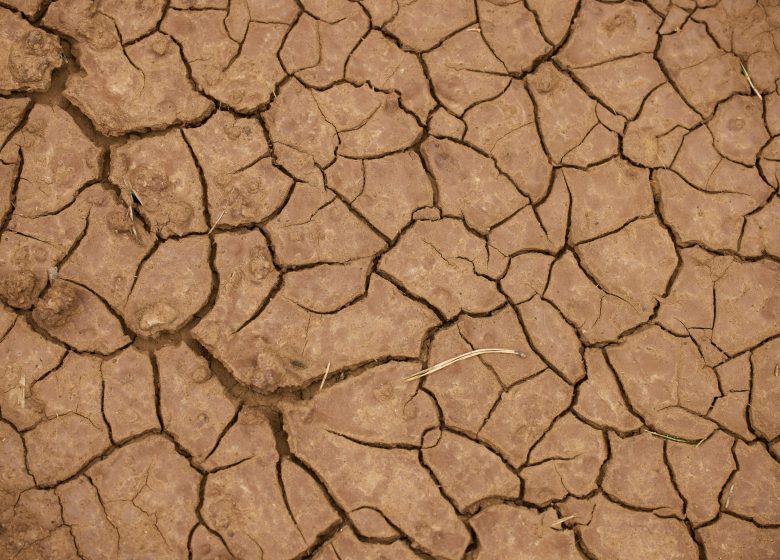
Half of England is currently experiencing drought according to the Environment Agency. In this blog, Professor Tim Taylor reflects on the health consequences of drought in the UK context.
There are different types of drought, each of which may have different impacts on health. Meteorological drought implies significantly less rainfall in an area over time than would be expected – such periods will also likely have lower humidity and higher temperatures. Agricultural drought implies a shortage of rainfall for farming purposes. Hydrological drought is associated with water levels in lakes, rivers and reservoirs, as well as underground supplies.
The recent UK Climate Change Risk Assessment suggests that we can expect more frequent hot summers with drought events – with heatwave-drought events that have a 1% probability today being projected to become five times more likely in the 2040s.
Droughts can have both positive and negative impacts on health. In a study I was part of called Drought Risk and You, evidence from the academic literature and interviews with people from different backgrounds were combined to help us better understand the risks to health in the UK context. The paper that summarises the results was published in the journal Climatic Change in 2020 – and is available here.
In our study, we identified that cuts to water supplies could have significant impacts on vulnerable individuals, particularly those with care needs requiring constant water supply. One example highlighted in our paper was of those on dialysis. In the UK, water companies do keep a record on the Priority Service Register of those most at risk and mitigations are put in place to reduce the impact of outages.
Those using private water supplies may be particularly at risk, with potential impacts of supply shortages on mental and physical health, via increased stress and injuries from hauling water.
Droughts may impact on recreational activities – some studies show increased activity with lower precipitation, though a study by Lewis Elliott and colleagues in 2019 found that there may not be a strong impact in the UK context. For those who exercise in our rivers and lakes (e.g. canoeists and kayakers) there may be impacts with low water levels restricting activities. Those participating in field sports may face higher risk of sports injuries.
Cascading risks through ecosystems may exist – with impacts on wildlife and flora making green and blue spaces potentially lowering restorative benefits for those using spaces.
Impacts on food systems and food security may lead to changes in food prices, with impacts particularly on those with low incomes. Farmers may be particularly impacted – with risks to mental health.
Air quality issues may arise from wildfire smoke or dust being blown from dry ground. We know that wildfires have significant economic costs – with studies showing an average cost of £10,000 per hectare of wildfire.
Studies that quantify the health impacts of droughts are limited – but we know that the impacts are complex and cross-sectoral in nature. We also know little about the impacts of measures to mitigate droughts on health. For example, we don’t know the impact hosepipe bans may have on the wellbeing of those who value their gardens. We don’t know the impact of certain changes in water use on health – e.g. changing the frequency of flushing our toilets. One listener to a radio show suggested people should reduce the amount of tea they drink – which may not be a good idea in terms of hydration.
Certain steps need to be taken to adapt – this may include planting more drought tolerant plant species in our gardens or ensuring water leaks are dealt with in our homes. It is not just a matter for individuals – we need to ensure that our water supply system is improved and that the current losses of 1 in 5 litres of water put into supply are reduced, we need to consider building more reservoirs to meet the needs of the public and industry. In new building developments we need better rainwater capture and storage systems and to consider possibilities of using “grey water” better in our water systems (e.g. using water from the drains of showers to flush toilets).
As summers become warmer and drier we will need to do more to respond to reduce negative impacts on health and wellbeing. We need a cross-sectoral approach to respond to this challenge – one which considers issues of health, equity and the wider environmental consequences of adaptation.
Tim Taylor is a Professor of Environmental and Public Health Economics at the University of Exeter and Director of the UKRI funded Centre for Net Positive Health and Climate Solutions.
Drought Risk and You was funded by NERC, ESRC, EPSRC, BBSRC and AHRC.