Building Interdisciplinarity from the Ground Up: Early Lessons from the Net Positive Centre
- Posted on: 5 January 2026
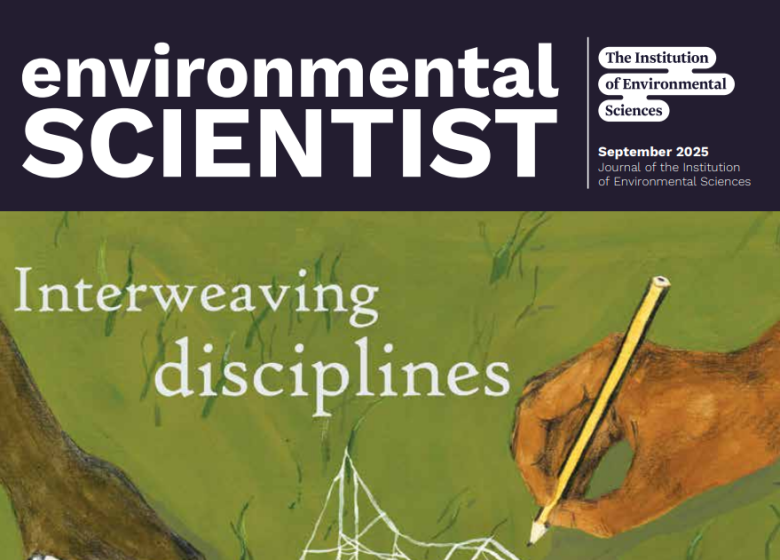
How do you create truly interdisciplinary research on climate change and health? The Net Positive Centre team shares insights from our first year in Environmental Scientist magazine.
Why Interdisciplinarity Matters
As Professor Catherine Butler notes in her introduction to Environmental Scientist’s latest edition, addressing complex environmental challenges requires more than just bringing different disciplines together—it demands genuine integration of knowledge, methods, and perspectives.
Climate change and health is a perfect example. The challenges are deeply interconnected: environmental, social, economic, and political factors all play a role. Solutions need insights from natural sciences, social sciences, humanities, and crucially, from communities and practitioners on the ground.
As Professor Butler writes: “When researching deeply embedded and politically complex environmental phenomena such as climate change, water pollution or plastic waste, knowledge-making individuals, practices and institutions need to escape the confines and limitations of conventional discipline-based modes of inquiry.”
The Net Positive Vision
In the article, written by Prof Tim Taylor and colleagues, the Net Positive concept is presented – going beyond “net zero” to deliver solutions that create positive outcomes for health, equity, environment, and biodiversity. As the article explains : “The term net zero has dominated the carbon mitigation agenda, and it was apparent that the centre’s ambitions go beyond this, aiming to develop solutions for climate change mitigation and adaptation that deliver positive benefits for health, health equity, the environment and biodiversity.”
The article presents an overview of different aspects of the life of the Centre. This included the Foundational Principles that underpin the work on climate change and health, and also key role that relationships play in building interdisciplinary research in this field. The role of the arts and engagement are discussed – with both being seen as being central rather than on the fringes.
We’re just getting started, but already we’re learning that meaningful interdisciplinarity requires:
- Intentional design from day one
- Walking the talk on sustainability and equity
- Valuing all forms of knowledge equally—not privileging scientific disciplines over humanities or lived experience
- Patience and resources for building trust and community
- Openness to challenging ways of working
Our conclusion captures our vision: “Our world faces complex challenges in tackling the climate crisis – and we need meaningful and effective collaboration across academics, practitioners, decision-makers, policy stakeholders, industry, artists and communities to address them. Siloed working is a long-standing challenge for cross-cutting societal challenges like climate change and health, and it must end – the problems and needs are too great and becoming ever more urgent.”
We’re creating opportunities where this collaboration can truly happen. As we write: “We need to be open to addressing the challenges of working across disciplines by building spaces where care and openness can facilitate meaningful dialogue and interaction.”